
How Flexible Circuits Are Utilized in Wearable Technology
Flexible Circuits Are Utilized
Printed flexible circuits are becoming more prevalent in wearable technology. From fitness trackers to smartwatches, the technology is helping to create more personalized and effective user experiences for consumers. However, the technology raises a number of controversial issues regarding environmental impact, privacy and data security, and ethical considerations. These debates are vital to ensuring that the benefits of wearable technology remain balanced against any potential negative implications.
A flexible circuit is a printed circuit board (PCB) that can bend and twist without losing functionality. It’s also possible to build a flex circuit in three dimensions, which makes it ideal for use in more complex devices and applications. The flexibility of a flex circuit is due to the thin layers that make up the substrate. The conductive copper traces are attached to these layers by various methods, including adhesives or epoxy. The insulators, which separate the conductors from each other and from the adhesive, can be made of polyimide, transparent polyester, or polyethylene terephthalate. Conductors are often printed using silver ink or copper foil. Finally, the insulators are sealed with conformal coatings to protect the components from moisture and dust.
These unique features of flex and rigid-flex circuits make them a good fit for medical applications, like monitoring vital signs or capturing data from inside the human body. This insight can help doctors customize care to a patient’s physiology, allowing for more accurate diagnoses and a better overall understanding of how a specific person reacts to treatment.
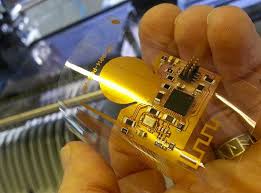
How Flexible Circuits Are Utilized in Wearable Technology
In the past, gathering this data was an expensive and time-consuming process. However, with the help of flex circuits and new technologies, it’s now possible to monitor a person’s health in real-time and provide alerts when a problem is detected. This can lead to more effective and cost-efficient healthcare and improved quality of life for people with chronic diseases, such as cancer or heart conditions.
One example of this is a patch worn by patients called VitalSense, a device developed by South Florida-based startup HealthTech Innovations. The patch adheres to a patient’s skin and uses flexible circuits to monitor their vital signs, such as blood pressure or body temperature, in real-time. This allows for more proactive and targeted care from healthcare professionals and can reduce the need for frequent hospital visits.
While there are many benefits of using flex circuits in wearable technology, it’s important to keep in mind that these types of circuits are still being developed and tested for safety and reliability. The best way to ensure that these products are safe for consumers is to stay informed and keep up with the latest developments. This can be achieved by reading industry publications, attending conferences or workshops, or subscribing to online news sources.
Despite their controversy, the future of wearable technology is largely positive. By combining the flexibility of flex circuits with innovative sensors and software, manufacturers can develop products that are more comfortable, safer, and aligned with sustainable manufacturing practices.