
How are PET preforms converted into bottles?
How are PET preforms converted into bottles?
PET preforms are essential components in the manufacturing of plastic bottles, commonly used for beverages, personal care products, and other consumer goods. Converting a PET preform into a bottle involves a series of processes that transform the small, rigid preform into a fully formed, functional bottle ready for packaging. This transformation is crucial for creating high-quality packaging solutions, and understanding the steps involved in the conversion process is vital for businesses in the packaging industry.
What is a PET Preform?
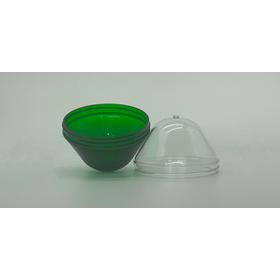
A pet preform is a small, solid plastic component made from polyethylene terephthalate (PET) resin. It typically has a shape resembling a test tube with a wide neck and is designed to be further molded into various bottle shapes and sizes. The preform is made through an injection molding process, where PET resin is melted and injected into molds to create the preform shape. These preforms are then ready to be converted into bottles through a second molding process, which is often performed using stretch blow molding technology.
The Conversion Process: From PET Preform to Bottle
The conversion of a PET preform into a bottle involves two primary processes: reheating and blow molding. These processes ensure that the PET preform transforms into a bottle with the desired shape, size, and strength. Here is an overview of the steps involved in converting a PET preform into a finished bottle:
-
Reheating the PET Preform: The first step in the conversion process is to reheat the PET preform. PET preforms are solid and rigid, so they need to be heated to a specific temperature to make them pliable and ready for molding. Typically, the preforms are heated using infrared heaters that uniformly warm the preform, making it soft and flexible. This process is critical because it ensures the preform is at the right temperature for the blow molding step.
-
Stretch Blow Molding: Once the PET preform is heated, it is transferred to a blow molding machine. The machine uses a mold that corresponds to the final bottle shape. The next step is the stretching of the preform. A rod stretches the preform vertically, which elongates the material, making it thinner and more flexible. At the same time, compressed air is blown into the preform, causing it to expand and take the shape of the mold. The combination of stretching and blowing ensures that the PET material is evenly distributed across the bottle walls, providing the bottle with the necessary strength and durability.
-
Cooling and Solidification: After the PET preform has been molded into the desired bottle shape, it is cooled rapidly to solidify the plastic. This is typically done using water or air cooling systems that lower the temperature of the molded bottle. Once cooled, the PET bottle is removed from the mold, and any excess material, such as flash or overflow, is trimmed away.
-
Quality Control: Before the PET bottle is considered ready for use, it undergoes rigorous quality control checks. These checks ensure that the bottle meets industry standards in terms of shape, size, weight, and strength. Additionally, the bottles are tested for any defects, such as cracks, air bubbles, or uneven walls, to ensure they are safe for packaging and transporting products.
The Role of PET Preform Suppliers
When businesses are looking to manufacture PET bottles, sourcing high-quality PET preforms is essential. PET preform suppliers provide these components in various shapes, sizes, and designs to cater to different packaging needs. Online B2B platforms like Global Sources make it easier for businesses to shop for wholesale PET preforms from verified suppliers around the world. Whether you’re looking for preforms from China, India, Korea, or other countries, Global Sources offers a wide range of products at factory prices, allowing businesses to access high-quality PET preforms with just a few clicks.
Through Global Sources, buyers can compare prices, view minimum order quantities (MOQs), and find reliable suppliers to strike deals quickly. This streamlined process simplifies the sourcing of PET preforms, ensuring that businesses can get the products they need to convert into bottles efficiently and cost-effectively.
Conclusion
Converting PET preforms into bottles is a critical process that involves reheating and blow molding techniques to create durable, functional, and aesthetically appealing bottles for various industries. The PET preform serves as the foundation for the bottle, and the quality of the preform directly impacts the final product. For businesses looking to source high-quality PET preforms, platforms like Global Sources offer an easy and efficient way to connect with verified suppliers worldwide. By purchasing wholesale PET preforms from trusted sources, businesses can ensure they have the right materials to create top-notch bottles for their products.